

FAA Part 141 Modernization: What Is Changing and Why It Matters for Flight Training
By tcsims
– Reviewed by Glen Ross, True Course Simulations
|
Date: April 16, 2026
Key Takeaways
- FAA pilot school rules have not changed since 1997.
- A 471-page modernization report went to the FAA in April 2026. It is only a recommendation.
- XR (including VR and MR) is proposed as a credited pilot training tool for the first time.
- The proposed shift emphasizes student performance over hours logged.
- No regulatory changes are likely before late 2027.
- Public comments closed May 11, 2026. Next, the agency will begin rulemaking.
The Rules Governing Pilot Training Are Stuck in the Past
If you train pilots or run a flight school, you know the friction. FAA rules for Part 141 pilot schools haven’t changed since 1997. Some requirements go back to 1940, when 35 flight hours were enough for a private pilot certificate, still the minimum today.
Since then, training technology has transformed, modern simulators, digital tools, and immersive reality platforms now exist, yet regulations have not kept pace. The current modernization effort aims to close this gap.
What the Modernization Initiative Actually Is
In early 2025, the FAA and the National Flight Training Alliance (NFTA), which represents flight schools, training organizations, and aviation education providers, began a structured review of Part 141. Over the course of a year, they held eight public meetings across the country and collected input from every corner of the flight training industry.
The 14 CFR Part 141 training organizations submitted a 471-page report to the FAA in April 2026, titled “A Comprehensive Modernization of Pilot Training.” The report details what the industry wants to change and the reasons behind these changes.
Make no mistake about what this report accomplishes and omits: industry recommends it, but it is not a new rule. The FAA has not enacted any Part 141 requirements. Next, the FAA will formally begin rulemaking, including another public comment period. Current projections suggest the FAA will not make regulatory changes before late 2027, with 2028 more likely.
Flight schools that understand this proposed direction now will be better positioned when changes arrive.
The Bigger Shift: From Logging Hours to Proving Outcomes
One of the most important ideas driving the modernization initiative is shifting from training based on rigid hour requirements to training based on what students can actually do.
Under the current system, much of the focus is on accumulating logged hours. The proposed shift toward competency-based training asks a different question: Can this student perform the required tasks to a defined standard? That changes what flight schools are accountable for. It also changes the role that technology can play.
When the FAA measures training by hours, a simulator or immersive training platform provides limited value. If the FAA measures by outcomes, tools that deliver verifiable, repeatable skill development take on a vital role.
Extended Reality Gets a Formal Seat at the Table
What XR Actually Means
Extended Reality (XR) includes a suite of immersive training tools. Virtual Reality places a student in a fully simulated environment. Mixed Reality overlays virtual elements onto the real world, blending both. Along with Augmented Reality, these technologies form the XR umbrella.
For years, flight schools using these platforms had no regulatory pathway to count that training time toward required hours. The tools existed. The training value was there, benefiting the students and the schools. But the regulations simply had not caught up to recognizing them.
What Is Now Being Proposed
For the first time, the FAA’s modernization framework formally recognizes XR as a valid, credited training method within Part 141 programs. It suggests crediting approximately 5-15% of the required training hours.
To clarify: a private pilot certificate requires 35 hours of training. With a 10 percent XR credit, students could apply about 3 to 4 of those hours to XR experiences. These hours could focus on practicing emergency procedures, building instrument scan routines, or rehearsing hard-to-repeat, costly maneuvers outside the aircraft.
XR will not replace real flight time. Instead, the framework includes XR as one tool in a progression that runs from desktop sims through XR to full-flight simulators, and finally to actual aircraft. These steps all serve unique purposes. XR enables immersive, repeatable training that remains cost-effective and can cover scenarios beyond practical aircraft experience.
Why This Matters Beyond the Credit Hours
The recognition of XR signals a broader shift in training effectiveness for both the FAA and the industry. The main benefits include safer practice of high-risk scenarios, more training repetitions at lower cost, flexible deployment in varied settings, and reduced instructor variability. These advantages go beyond simple credit allocation.
- Students can practice high-risk or rare scenarios without real-world consequences.
- Schools can offer more repetitions at a lower cost per session than after-aircraft time.
- You can deliver immersive environments more flexibly than full simulators, including in remote or distributed locations.
- Consistent platform-based training minimizes variability from instructor differences.
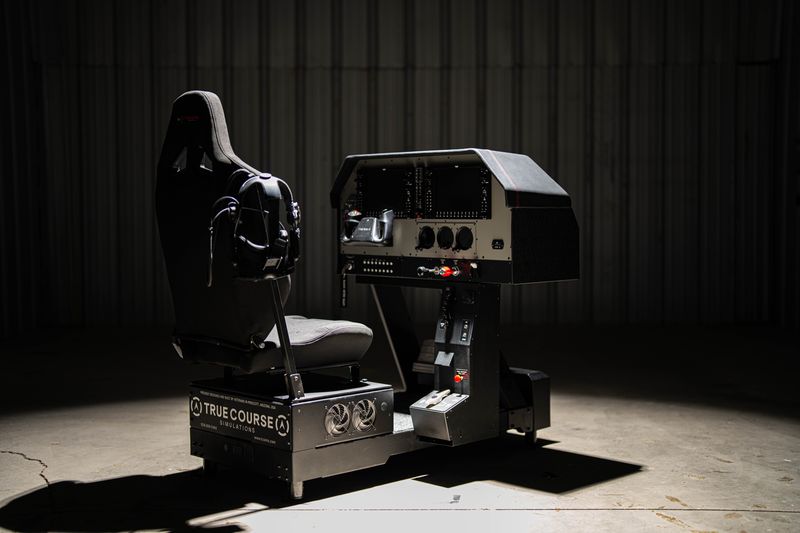
We have built XR flight training solutions at True Course Simulations for over a decade; these offer real benefits, not just theory.
What This Means If You Run a Flight School
In practical terms, the modernization initiative challenges flight schools to consider a few things now.
First, you will need to rely more on data. The proposed rules tell schools to track student performance and use that information to refine programs. Schools with monitoring systems will adjust more quickly than those that depend only on instructor judgment.
Second, simulation infrastructure will grow in value. Schools that invest in simulators and immersive training tools will gain a head start when credit expansions become available. Schools that do not may need to catch up quickly once the rule is finalized.
Third, expect the administrative workload to evolve. Some requirements may become simpler or more centralized, while those on quality management and documentation will likely become more complex. Knowing this direction lets you prepare ahead, not react afterward.
For students, the changes could mean more accessible training opportunities, improved readiness before the costly aircraft sessions, and schools mandated to track and support individual progress, rather than just logging hours.
Where Things Stand Right Now
The FAA’s docket contains the NFTA report under reference number FAA-2024-2531. The comment period closed May 11, 2026. The FAA will review submissions, decide which ideas to pursue, and eventually start the formal rulemaking process.
No part of the report constitutes regulation yet. The FAA has not made any changes to its requirements. Flight schools do not need to act today.
The industry has made its case in detail, and the FAA is listening. The conversation about modern pilot training is now in the regulatory record and no longer just theoretical.
At True Course Simulations, we have prepared for this moment for years. Our platforms support existing Part 141 programs and align with the direction of future regulation. If you want to see XR integration or learn how to prepare your school, we are here to help.
Frequently Asked Questions
What is FAA Part 141 modernization?
It is an ongoing effort to update the rules governing FAA-certificated pilot schools. The current regulations date to 1997 and were written before modern training technology existed. The goal is to align the framework with what schools can actually do today.
Has the FAA changed any Part 141 rules yet?
No. The NFTA report submitted in April 2026 is an industry recommendation, not a rule. The FAA will use the public input to develop a formal rulemaking proposal. Regulatory changes are not expected before late 2027 at the earliest.
What is Extended Reality, and why is it relevant to pilot training?
Extended Reality (XR) encompasses Virtual and Mixed Reality training tools. VR places a student in a fully simulated environment. MR blends virtual elements with the real world. The modernization initiative proposes allowing schools to count XR training toward a portion of the required hours for the first time, recognizing it as a legitimate part of a structured training program.
Will XR replace real flying?
No. The proposal positions XR as one part of a training progression that still leads to real aircraft. Its role is to make the early stages of training safer, more affordable, and more repeatable, so that time in an actual aircraft is used more effectively.
How does Part 141 differ from Part 61?
Part 141 governs schools with FAA-approved curricula, structured oversight, and reduced hour requirements. Part 61 covers individual certification outside of an approved school program. Currently, around 77 percent of private pilot training in the US takes place under Part 61, in part because Part 141 has been more complex to operate under.
What is competency-based training?
It is a training model built around demonstrating defined skills rather than accumulating hours. Instead of asking how many hours a student logged, it asks whether the student can actually perform the required tasks to a set standard. The modernization initiative proposes moving Part 141 in this direction.