

VR Flight Training Best Practices
By tcsims
– Reviewed by Glen Ross, True Course Simulations
|
Date: February 1, 2026
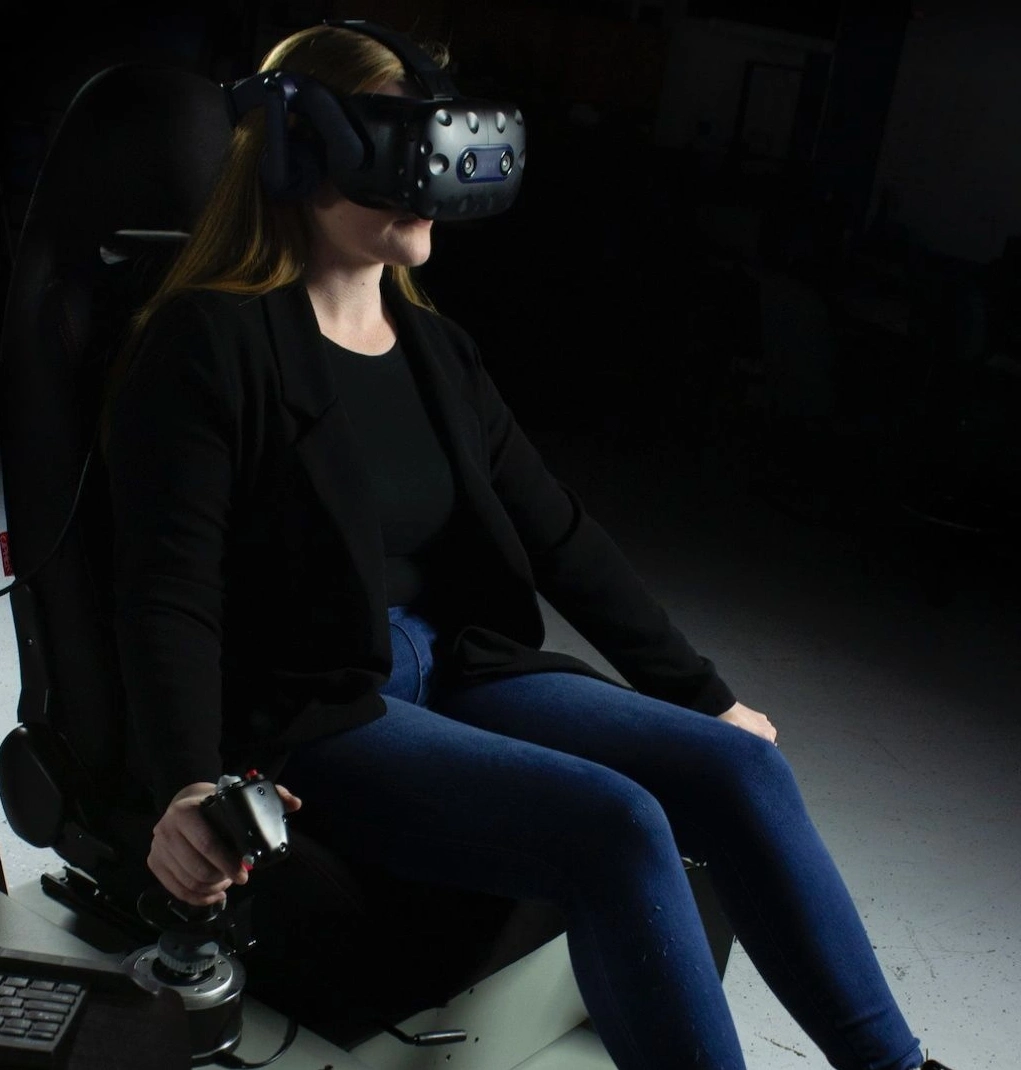
Virtual reality (VR) flight training can powerfully accelerate pilot learning by immersing students in life-like scenarios. To ensure that skills gained transfer to real-world flying, instructors and pilots should follow key best practices. Consistent, disciplined use of these guidelines is essential for effective skill development and transfer from VR to actual flight. The following principles summarize the foundation for successful VR flight instruction.
VR Flight Training Best Practices for Flight Instructors
Instructors drive the effectiveness of VR flight training by strategically using simulation capabilities to reinforce skills. The following key guidelines show how instructors can leverage VR for strong learning outcomes.
- Brief VR sessions like real flights: Start each VR lesson with a clear briefing. Define the session’s goals, expected maneuvers or scenarios, and review relevant procedures just as you would before an actual flight. Treating a VR session with the same gravity as a real flight sets the right mindset. Emphasize that students should prepare (weather, airport data, checklists) as if they were flying a real aircraft. This mental investment makes the virtual training more effective.
- Know your equipment and its limits: Ensure you are fully familiar with the VR simulator hardware and software before instructing students. Get a thorough check of the device, learn how to set up scenarios, adjust weather conditions, trigger failures, and troubleshoot common issues. Also, understand the simulator’s limitations (e.g., which aircraft or maneuvers it can accurately replicate and which it cannot). This knowledge enables you to plan lessons effectively and avoid frustrating hiccups.
- Always prioritize monitoring student workload and comfort, as VR’s immersive benefits can enhance learning but may also overwhelm new users. Because facial cues are hidden under a headset, use verbal check-ins to track stress and disorientation. Watch for signs such as erratic control inputs or confusion, and pause or simplify scenarios as necessary. Increase complexity gradually to prevent cognitive overload.
- Conduct immediate debriefs using VR tools to maximize learning. Pause and replay during the session to provide instant feedback and review actions while fresh. Most VR systems enable recording and replay, allowing students to see both successes and errors. Conclude each session by summarizing the strengths and opportunities for the next time. This feedback ensures lessons from VR carry over to real cockpit performance.
- Leverage VR’s unique scenarios for training: Take advantage of what VR simulators can do beyond normal flight. You can simulate emergency situations and changing weather conditions to train decision-making in ways that are not safely possible in an aircraft. For example, during a scenario, you might gradually deteriorate the weather to see if the student recognizes the need to divert, or induce an engine failure on takeoff to practice the immediate action steps. Use these capabilities to teach aeronautical decision-making and risk management in a controlled environment. This builds your student’s judgment and confidence. Always tie the scenario back to real-world procedures during the debrief (“What cues told you the weather was worsening? What would you do in a real flight?”). By connecting virtual scenarios to real-life context, you ensure the training has practical value.
- Enforce real-world procedures and habits from the outset; do not let students treat VR like a game. Utilize standard checklists, callouts, and cockpit discipline to establish good habits that can be applied to the aircraft. Ensure students rehearse all procedures as they would in a real cockpit, building muscle memory for the actual flight.
- Ensure skills transfer to the real aircraft: Coordinate the VR lessons with the real syllabus – e.g., have the student practice stalls in VR before doing them in the airplane. Emphasize sensory and procedural transfer: for example, in VR, they should move their head and scan instruments/outside just like in a real plane (one benefit of VR is developing a proper scan and situational awareness in a 360° environment). After a VR session, encourage the student to reflect on how it felt compared to the real aircraft and what was learned. Many programs find that starting in VR builds a student’s confidence and proficiency, so that by the time they enter the real cockpit, they perform better. (Embry–Riddle Aeronautical University saw a 30% reduction in time to solo by integrating VR early in training.) Use VR as a complement, not a replacement, to flight. When the student transitions to the real airplane after enough VR practice, you’ll likely notice smoother execution and less anxiety.
VR Flight Training Best Practices for Student Pilots
Student pilots who maintain disciplined habits in VR accelerate skill development. Follow these key strategies to maximize each session and ensure skills gained in VR transfer to actual flight.
- Prepare as if it’s a real flight: Treat your VR simulation like an actual flight lesson. That means before you “fly” in VR, study and plan. Review the aircraft procedures, charts, airspace, and maneuvers you’ll be practicing. Show up well-rested and ready to focus Have your checklists, kneeboard notes, and charts handy just as you would in a real cockpit. This preparation ensures you’re in the right mindset to learn. Don’t let the casual setting fool you; the more seriously you take the simulator, the more you’ll get out of it.
- Set clear goals for each session: Avoid aimless “virtual flying.” Before starting a VR training session, set specific objectives with your instructor or independently. For example, “I will execute 360 degree level turns correctly, three times in a row.” Clear, focused goals keep you on task and make the practice purposeful. Share your goals with your instructor during the briefing so you’re on the same page. After the session, evaluate whether you met your goals and what you can improve on next time. Goal-oriented practice leads to faster skill development than simply winging it without a plan.
- Practice consistently and deliberately: Repetition is key to mastering flight skills. One of VR’s biggest advantages is that you can practice a maneuver or scenario over and over at no extra cost or risk. Take full advantage of this! Commit to regular VR practice sessions; consistency is crucial for retaining your skills. Even short, frequent sessions (such as 30 minutes a day) can engrain procedures and techniques into muscle memory. When practicing, be deliberate: focus on one technique at a time and aim to improve with each repetition rather than mindlessly repeating mistakes. For instance, perform ten simulated landings in a row, but pause as needed to analyze what you can do better on the next attempt. This kind of focused, repetitive practice in VR builds the neural pathways and habits that will make actions feel natural in the real aircraft. Studies show VR training can significantly improve knowledge retention compared to traditional methods, so the more you use it, the more you remember.
- Avoid developing bad habits: Be disciplined during VR training so you don’t learn the “wrong” way to fly. Common bad habits can creep in if you treat the sim like a game. For example, don’t reset immediately whenever you make a mistake; in a real plane, you can’t hit reset; you must recover or troubleshoot. So try to fly through mistakes and correct in real-time (unless it’s an unsafe scenario) before restarting the exercise. Always use your checklists and follow standard operating procedures, even if the VR simulator doesn’t force you to. If you catch yourself skipping steps (such as not performing checks or forgetting to scan for traffic), pause and do it properly. Keep your scan pattern realistic in VR; you have a full field of view, so actually turn your head and look for visual cues, just as you should in a real cockpit. If the VR software lacks certain distractions or ATC radio calls, recognize that and don’t let the quiet environment lull you into complacency. Essentially, maintain professional cockpit behavior in VR. Your instructor will help identify any sloppy habits they observe. By staying vigilant and treating VR flying with the same discipline as real flying, you ensure you’re ingraining good habits that will make you a safer pilot.
- Take breaks and communicate if you’re uncomfortable: VR can be intense. Long sessions without a break can lead to fatigue, which will hurt the quality of your practice. It’s not a macho contest; if you start feeling mentally overwhelmed, speak up and take a five-minute break (or even end the session if needed). Also, communicate with your instructor frequently, as they can’t see your face in the headset. You need to let them know how you’re feeling and if you have any questions or concerns. It’s better to pause and clarify a maneuver than to forge ahead while unsure. Managing your comfort and clarity in VR will significantly enhance the effectiveness of your training time. Over time, as you build tolerance, you can extend session length. Remember, an optimal learning session in VR might be shorter than in a real plane because of the sensory intensity, and that’s okay. The quality of practice matters more than the sheer duration.
- Embrace feedback and reflect on each session: After every VR flight lesson, take a moment to debrief yourself (and listen to your instructor’s debrief). Because VR can record your performance, use that footage to watch the replay of your landing or maneuver from an external view, if available, or review any data logs. This objective feedback is incredibly valuable. Ask your instructor questions if you don’t understand what went wrong. Write down a couple of key lessons learned and things to work on next time. By actively reflecting, you solidify the knowledge gained. Continuous improvement is the goal. VR gives you a safe space to make mistakes, treat mistakes as learning opportunities, and you’ll progress faster.
Consistent Practice and Skill Retention
Whether you’re an instructor or student, the overarching principle of VR flight training is consistency. Skills fade if not used, so make VR a regular part of your training routine to keep skills sharp. The high fidelity of modern VR simulators means the muscle memory and procedural knowledge you build are directly applicable to the airplane. Instructors should integrate VR sessions throughout the curriculum (not just as a one-off demo). Students should seize every opportunity to gain extra practice in the VR trainer between their actual flights. This consistent exposure reinforces learning, as noted; repetition in a realistic VR environment leads to better retention and proficiency gains.
Crucially, make VR practice deliberate and scenario-based. Instead of just repeating easy tasks, challenge yourself or your students with varied scenarios: different airports, crosswinds, system failures, etc. This variability, combined with consistency, prevents training from becoming rote and ensures adaptability. Research and real-world trials have shown that a blended training approach (mixing VR and aircraft time) can produce pilots who reach milestones like first solo flight significantly faster while maintaining high standards of safety. The confidence gained in VR carries over; when a student has seen and handled a situation dozens of times in VR, they are far more likely to respond correctly in the real world.
Finally, remember that VR flight training is a tool – its effectiveness comes from how you use it. By following these best practices, instructors can conduct highly effective VR sessions that closely mimic the discipline of real flight, allowing students to develop robust skills and good habits. VR training offers numerous benefits for pilot development, including cost savings, improved safety, and enhanced access, but only when combined with sound training principles. Use VR to practice regularly, reinforce the right techniques, and keep training both fun and focused. When done correctly, VR pilot training produces more confident and proficient aviators, and that’s the true goal.